
How to Choose Setting Spray Packaging for Your Formula
A buyer’s guide to comparing fine mist pumps, testing a finished formula and approving packaging samples.
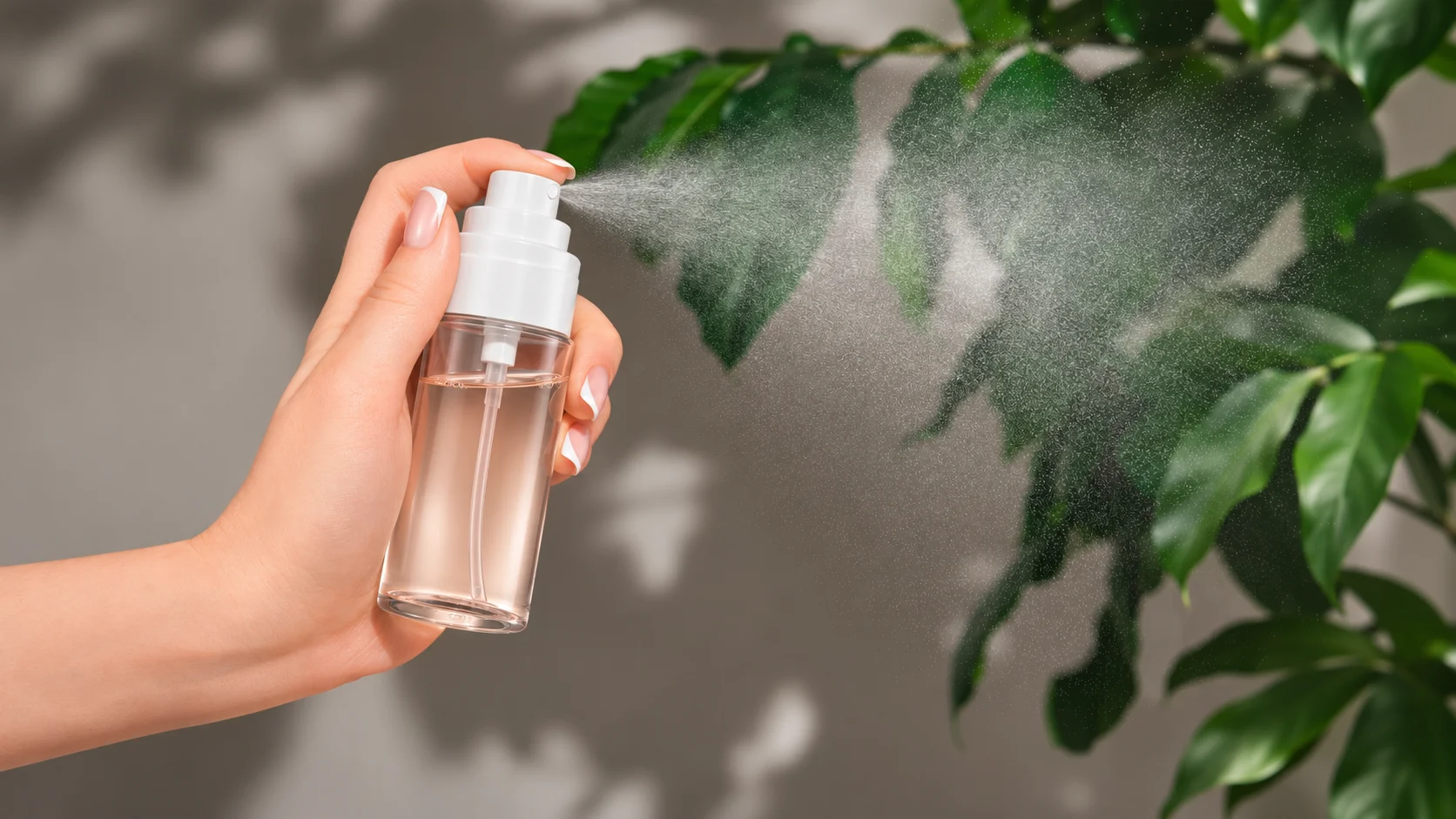
A makeup setting spray can look great on the shelf and still leave visible droplets, sputter after sitting overnight, or spray unevenly when the bottle is nearly empty. Before placing a production order, test the bottle and fine mist pump together with your final formula. The goal is to find a combination that delivers the spray experience you want throughout the life of the bottle.
1. Define the spray performance you want
Should one press deliver a light veil of mist, or should a few presses cover a wider area? Start by comparing two features:
- Spray pattern is the shape and distribution of the mist.
- Output per actuation is the amount of liquid dispensed with one full press.
A wide spray can still leave wet spots if the pump dispenses too much liquid or the droplets are uneven. When comparing samples, keep the spray distance and number of presses the same. Look for large droplets, a wet center, or gaps in coverage. If the first sample feels too wet or too concentrated, ask your supplier for another output or spray pattern to compare. Aptar Beauty’s guide to fine mist spray pumps
2. Match the pump to the final formula
Tell your packaging supplier whether the formula is water-based, contains alcohol or oils, or includes suspended particles such as shimmer. If your lab has measured the viscosity, share that information as well. These details help the supplier shortlist pumps for sampling.
A water test can confirm that a pump operates, but sample approval should use the finished formula. Check whether it leaves residue at the nozzle, sprays consistently after storage, and works with the materials it contacts. Ask your supplier which materials are used in the relevant pump components, seals, and dip tube so your team can assess compatibility. Aptar Beauty’s pump compatibility guidance
3. Check how the bottle and pump fit together
Confirm the target fill volume, bottle neck finish, dip tube length, and cap fit. If you already have a bottle, send a dimensioned drawing or a physical sample so the supplier can check how the pump fits.
Include a nearly empty bottle in your test. Check whether the pump can still draw the formula at a low fill level and whether the spray stays consistent. For packs with an overcap, check that it remains secure after repeated removal and replacement.
4. Test samples under real-use conditions
Use the same conditions for each sample and record what you observe:
- First use: How many presses are needed before the pump delivers a consistent mist?
- Repeated use: Does the spray stay even? Does the nozzle drip or sputter?
- After standing: Is the first spray still uniform after the package has been left unused?
- Near empty: Does the pump still deliver a consistent mist when little liquid remains?
- Storage and transport: Under the conditions agreed for your project, is there any leakage, cap loosening, or visible change to the formula or packaging?
Keep an approved filled sample and record the bottle and pump specifications. This gives your team and supplier a shared reference when reviewing production samples.
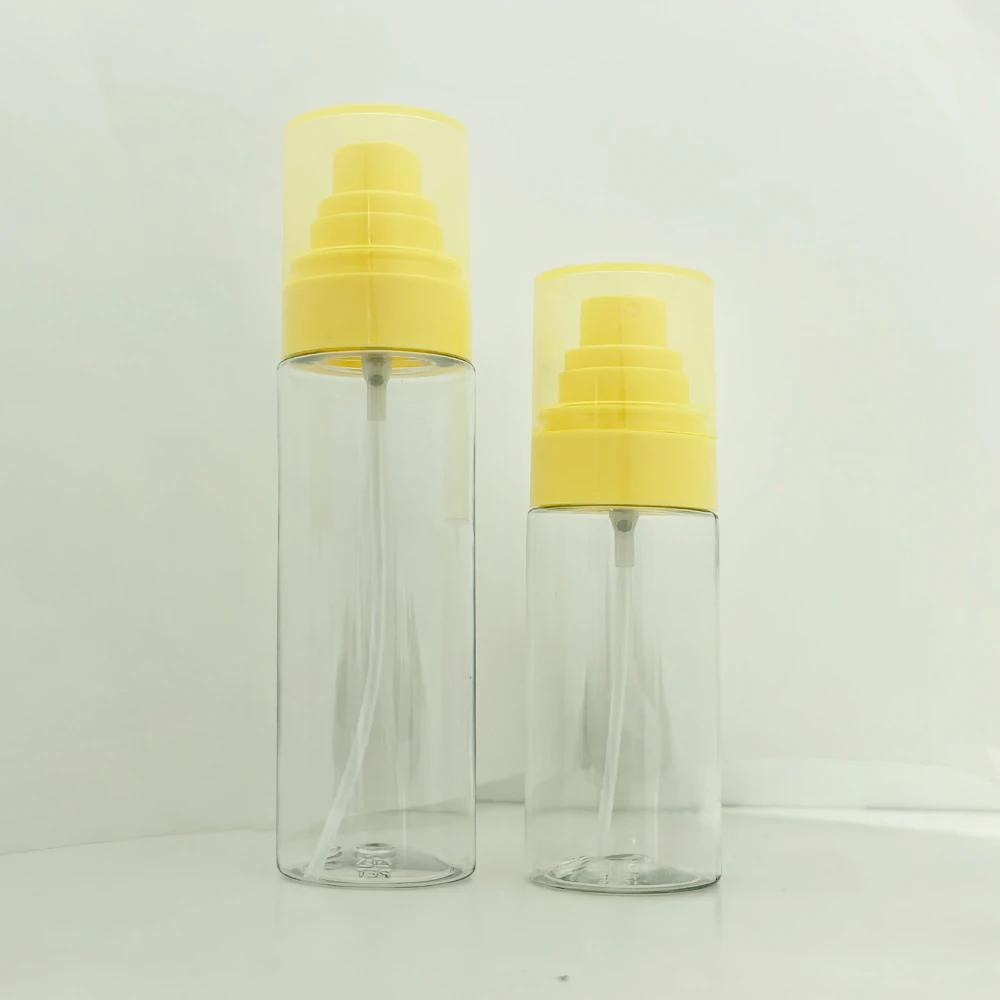
Makeup Setting Spray Bottle with Fine Mist Pump
RY-1602A · 50, 60, 80 or 100 mL · 0.13 mL per full press
Use the bottle and pump together to test spray pattern and output with your final formula.
View RY-1602A product details →What to share when requesting samples
Send your target fill volume, a brief description of the formula, and the spray feel you want. Include a packaging reference if you have one. An existing bottle drawing, target output per press, customization requirements, and estimated order quantity can also help the supplier narrow down the options.
Browse Fine Mist Spray Bottles for complete packaging or Fine Mist Sprayers if you already have a bottle. To compare options with your finished formula, request packaging samples.
Planning a complete pack? Explore Royapak setting spray packaging for capacity options, a water spray demonstration and sampling steps.